
 By
By 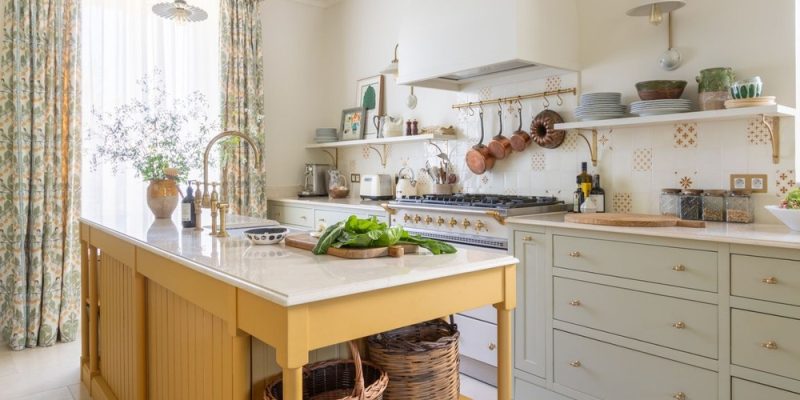
Every kitchen tells a story, and the chapters begin with cabinets and countertops. These features not only set the tone for your entire home but also influence efficiency, comfort, and future resale value. As trends shift and technology advances, choosing the right combination has never demanded more thought.
The Evolution of Kitchen Cabinet Styles
Styles may come and go, but the kitchen remains the heartbeat of the home. Traditional cabinets were often crafted from sturdy woods, adorned with ornate detailing and rich stains. They exuded warmth and timeless appeal, reflecting craftsmanship above all. As tastes evolved, sleek modern cabinetry began taking center stage, emphasizing flat panels, minimalist lines, and glossy finishes that feel fresh and uncluttered.
Materials have changed just as much as aesthetics. Solid wood still holds a revered place but now competes with composites, laminates, and innovative synthetics. These new materials offer enhanced durability, a vast palette of colors, and budget-friendly options without sacrificing style.
The last decade has seen technology infiltrate kitchen storage. Soft-close hinges, pull-out organizers, and even smart lighting have transformed ordinary cabinets into intelligent systems designed for daily ease.
How Countertop Trends Have Transformed
Marble and granite once reigned supreme, admired for their natural veins and luxurious presence. Today, engineered materials like quartz are reshaping the market. Quartz surfaces resist stains, scratches, and require less maintenance than stone. Modern homeowners are drawn to these engineered options for both practicality and style.
Sustainability is also a growing force in countertop choices. Recycled glass and composite countertops provide eco-conscious alternatives. This focus on green materials meets a new generation of buyers who want their kitchens to look good and do good.
Balancing Quality and Budget: What Has Changed?
Homeowners are now much savvier about what they get for their money. Understanding the balance between material durability and cost is key. For example, choosing solid wood may mean a higher upfront investment but could pay off in longevity. Conversely, high-quality laminates can deliver impressive looks at a fraction of the price.
| Material | Average Cost (per sq. ft.) | Durability | Maintenance |
|——————|—————————|—————–|————-|
| Solid Wood | $60 – $100 | High | Moderate |
| Laminate | $20 – $40 | Moderate | Low |
| Quartz | $50 – $120 | High | Low |
| Granite | $60 – $150 | High | Moderate |
Thanks to mass production and modular designs, quality products are now accessible to more buyers. Service has become just as important as price. Quick delivery and responsive support, as promoted by companies like Kitchen Wholesalers cabinets, can make the entire experience smoother and more satisfying.
Designing for Functionality and Style: Past to Present
The functional demands of a kitchen have transformed layouts dramatically. Where once a galley kitchen with limited storage sufficed, open plans now demand cabinets that work as hard as they look good. Pull-out spice racks, deep drawers, and hidden recycling stations are the new standards.
Smart storage features and integrated lighting offer both beauty and utility. Coordinating countertops and cabinets is crucial for a cohesive look. Popular combinations include crisp white cabinets with dramatic dark quartz or subtle, wood-toned cabinetry paired with understated granite.
Selecting Kitchen Cabinets: Key Considerations Over Time
Material remains at the forefront of any cabinet decision. Solid wood, plywood, MDF, and laminates each offer unique benefits depending on budget, climate, and desired aesthetics.
Finishes have become more sophisticated, ranging from classic glazed looks to ultra-matte or high-gloss surfaces. Color trends have shifted from dark cherry and espresso to softer neutrals and bold, modern hues.
Hardware is no longer an afterthought. From simple bar pulls to touch-to-open systems, accessories are evolving with technology, providing both flair and function.
Choosing the Perfect Countertop: What to Know Now
Granite and quartz continue to dominate, but each offers distinct advantages. Granite provides one-of-a-kind natural patterns, while quartz wins on uniformity and ease of care. Alternatives like recycled glass appeal to eco-minded homeowners.
Maintenance should drive your choice. Stone may require occasional sealing, while quartz needs only basic cleaning. The thickness and edge profile also influence aesthetics and durability, with thicker slabs and unique edge shapes adding a custom touch.
The Future of Kitchen Cabinets and Countertops
Looking ahead, expect more eco-friendly materials, increased use of recycled content, and further integration of smart technology. Cabinets with built-in charging docks and countertops with antimicrobial surfaces are already emerging in upscale designs.
Personalization is also on the rise, as homeowners seek unique color combinations, bespoke storage solutions, and finishes that reflect individual style.
Making Your Decision: Modern Tips for Homeowners
Set priorities by distinguishing between needs and wants. Do you crave maximum storage, or is a show-stopping centerpiece island more important? Visiting showrooms (by appointment) and using design tools can clarify your vision and confirm your choices before you commit.
Plan not just for installation but for aftercare as well. Ask about warranties and recommended maintenance routines to ensure your investment stands the test of time.
The kitchen of your dreams is within reach, whether you favor classic warmth or streamlined modernity. With careful guidance, the right resources, and a clear sense of style and function, your cabinets and countertops can create a space that truly feels like home.






Comments