
 By
By 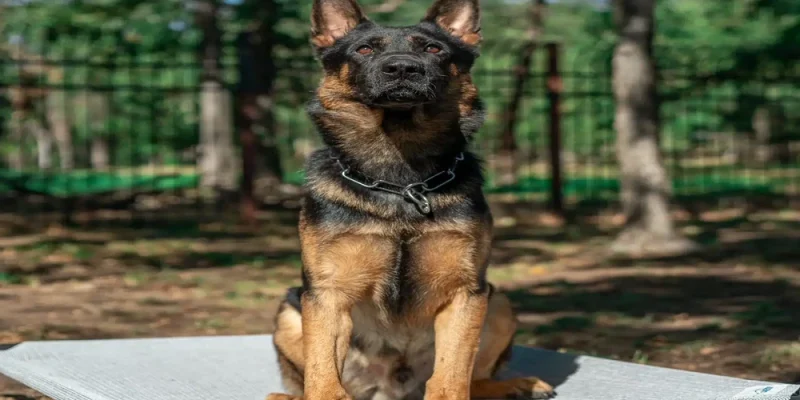
Arriving home after dark can involve several small tasks at once: finding keys, unloading a bag, checking the entrance, and making sure the door closes behind you. For someone considering a personal protection dog, the appeal often begins in moments like these. A suitable, well-managed dog can offer a reassuring presence while remaining part of ordinary family life.
The advantages of having a personal protection dog depend on the dog and the owner functioning well together. Potential benefits include a visible presence, attention to activity nearby, and companionship. Reliable handling and a sensible home routine determine whether those benefits make daily life easier.
A visible presence during everyday routines
A substantial dog beside an owner may discourage an unwanted approach. That is a plausible benefit of its presence, not a promise that a particular person will be deterred. There is no honest way to guarantee how a stranger will behave or what a dog will do in every situation.
For a person who walks at quiet times or regularly moves between a house and an outbuilding, having a suitable dog alongside can make the routine feel less isolated. The dog must be comfortable with that environment and manageable on a lead. Pulling, persistent lunging, or constant barking can make an otherwise simple trip harder.
Consider the walk from a driveway to a front door. A useful companion stays close while the owner opens the gate and enters the house. The advantage comes from a calm presence that fits the task, supported by the owner’s attention and control.
An additional cue to activity nearby
A dog may notice a person approaching the home or react to a sound before the owner pays attention. That reaction can prompt the owner to check a camera, look through a window, or pause before opening the door. It can add information to a security routine.
An alert does not explain why someone is there. A parcel courier, a neighbor, and an unfamiliar visitor can all attract a dog’s attention. The owner still needs to identify the situation and decide what to do. Encouraging indiscriminate suspicion can create disruption without improving judgment.
Ask whether the dog can settle after an alert and follow a familiar cue to move away from the entrance. In a household that receives several deliveries a day, that ability matters. Repeated barking that continues long after the visitor leaves can erode the very reassurance the owner hoped to gain.
Companionship that supports confidence
A protection dog also needs to be a companion. The shared routines of feeding, exercise, play, and quiet time can give ownership meaning beyond security. Someone who lives alone may particularly value a dog that comfortably spends time nearby without demanding constant activity.
Confidence should grow from knowing the individual dog. Over time, the owner learns how it behaves on a normal walk, what helps it settle, and which environments require extra management. That familiarity is more useful than believing the dog can automatically distinguish every harmless interaction from a threat.
The relationship needs humane training. The American Veterinary Society of Animal Behavior recommends reward-based methods and identifies risks to welfare and the human-animal bond from aversive training. [1] For an owner relying on clear communication with a powerful dog, the way that communication is taught deserves careful consideration.
A companion that can accompany you where permitted
A home alarm remains at the property. A suitably prepared dog may accompany its owner on walks and other outings where dogs are permitted. This can be useful for someone whose concern centers on everyday movement rather than only the home.
However, the benefit depends on access and behavior. A crowded walkway, a narrow elevator, or an unexpected encounter with another dog may be unsuitable for a particular animal. Plan routes and outings around what the dog can handle comfortably. Confirm the rules of the places you intend to visit before assuming it can accompany you.
A personal protection dog should not be presented as an assistance animal to obtain access. When the dog cannot go with you, you still need a workable safety plan and an appropriate care arrangement. Ownership is easier when those limitations are considered before purchase.
A clearer routine for handling arrivals at home
Preparing for a protection dog can encourage a household to clarify routines that were previously improvised. Who answers the door? Where does the dog wait? How are gardeners or maintenance workers admitted? The benefit comes from people consistently following a plan.
For example, the adult receiving a visitor can first place the dog in an agreed secure area, then open the entrance. Another adult can follow the same procedure. Children should not be given responsibility for managing a protective dog around visitors, and interactions between children and dogs require appropriate adult supervision.
Locks, lighting, cameras, and emergency contacts still have their own roles. A dog needs sleep, veterinary care, and periods away from home. Including those needs in the plan avoids making the household dependent on the animal being available at every moment.
The benefits have to fit the work of ownership
A protection dog brings recurring costs and daily responsibilities. Budget for food, veterinary care, suitable equipment, continuing instruction, and care when you travel. Set aside time for exercise and mental activity appropriate to the dog’s age and health. The American Kennel Club notes that exercise needs vary with age, breed, and medical condition. [2]
Ask a practical question before buying: can you provide that routine during an ordinary busy week? A large garden does not by itself answer how the dog will receive interaction or how its learned skills will be maintained. Likewise, professional training does not remove the owner’s need to practice safe handling.
The advantages of having a personal protection dog are most credible when you can describe them in daily terms: a manageable companion on your regular walk, an alert you can respond to sensibly, and a dog that settles comfortably at home. Choose an individual whose needs you can meet and whose behavior makes those routines workable.
Sources
1 American Veterinary Society of Animal Behavior Humane Dog Training






Comments