
 By
By 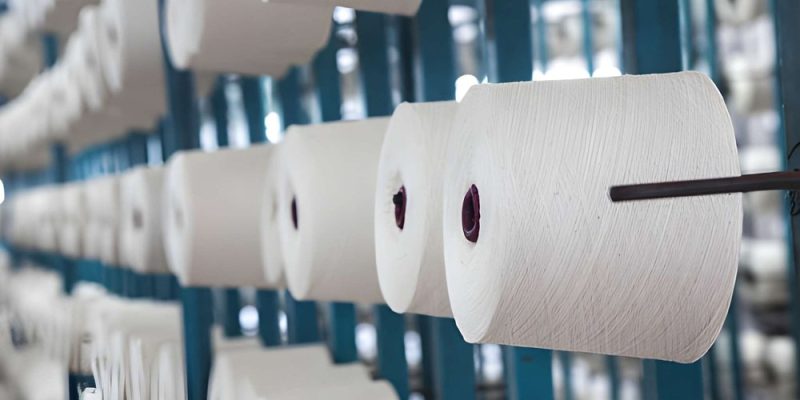
Nobody really talks about polyester filament. You won’t hear someone say, “Hey, nice polyester filament in your shirt.” That’s not how it works. But weirdly enough, it’s doing a lot of heavy lifting in the background of everyday life.
Think about your gym t-shirt. Or the curtains in your room. Even the seat fabric in a car. There’s a good chance polyester filament is part of it.
And the funny part? Most people don’t even know what it is.
What Is Polyester Filament (In Simple Words)?
Alright, no complicated textile definitions. Polyester filament is basically a long, continuous thread made from polyester. Not short fibers twisted together just one smooth, strong strand.
That might sound like a small detail, but it changes how the fabric behaves.
Because of that structure, fabrics made from polyester filament tend to be:
- Smooth to touch
- Strong enough to handle wear and tear
- Less likely to wrinkle like crazy
It’s one of those materials that just quietly works without asking for attention.
Why It Ended Up Everywhere
There’s always a reason something becomes common. Polyester filament didn’t just randomly take over it solved problems.
Back in the day, natural fabrics like cotton were great, but they had issues. They wrinkle, shrink, and wear out faster than people like to admit.
Polyester filament stepped in and basically said, “I can fix that.” And it did.
Clothes lasted longer. Maintenance became easier. Manufacturing became more predictable. That’s a big deal for both brands and customers.
You’re Already Using It (More Than You Think)
This isn’t one of those niche materials used in some hidden industry. It’s everywhere.
Clothes You Wear
Sportswear especially loves polyester filament. It doesn’t hold sweat the same way cotton does, and it keeps its shape after washing.
That’s why your workout clothes don’t turn into a mess after a few uses.
Stuff at Home
Bedsheets, sofa covers, curtains polyester filament shows up in all of these. Mostly because it’s durable and easy to maintain.
You don’t need to baby it like some delicate fabric.
Behind-the-Scenes Industrial Use
Here’s the part people don’t usually think about. Polyester filament is also used in things like industrial fabrics, filters, and even safety materials. It’s not just about comfort it’s about performance too.
Not All Polyester Filament Is the Same
This is where it gets slightly technical but I’ll keep it real.
There are different types, depending on how the yarn is processed.
- POY (Partially Oriented Yarn): Not fully finished yet, more like a base version
- FDY (Fully Drawn Yarn): Ready to use, smooth and strong
- DTY (Draw Textured Yarn): Has texture and stretch, feels softer used a lot in clothing
You don’t need to memorize these. Just know that manufacturers pick different types depending on what they’re making.
The Feel Factor (Why It Doesn’t Feel “Cheap” Anymore)
Let’s be honest polyester used to have a reputation. People thought it felt plastic-like or uncomfortable. And years ago, that wasn’t completely wrong.
But things have changed. Modern polyester filament can actually feel pretty soft. In some cases, you won’t even realize it’s synthetic unless someone tells you.
That’s because the way it’s processed today is much more advanced than before.
What About Sustainability?
This is the big question now. Polyester has always had one major criticism it’s not exactly eco-friendly.
And yeah, that’s still a concern. But the industry isn’t ignoring it.
A lot of manufacturers are now working on:
- Recycled polyester filament (made from plastic waste)
- Production methods that use less water
- More efficient dyeing techniques
Companies like GLYarn, for example, are focusing on newer approaches that try to balance performance with environmental responsibility.
Is it perfect? No. But it’s definitely moving in a better direction.
Why Businesses Still Prefer It
If you look at it from a business perspective, polyester filament just makes sense.
It’s reliable. That’s probably the biggest reason. When you’re producing thousands or millions of products, you don’t want surprises. You want consistency.
Polyester filament gives that. It behaves the same way across batches, it’s easier to control during manufacturing, and it keeps costs manageable.
That’s why it’s still a go-to choice in the textile world.
There are Still Some Challenges
Nothing is perfect, and polyester filament has its own issues.
- Prices can fluctuate depending on raw materials (like oil)
- Environmental pressure is increasing
- There’s a lot of competition in the market
But even with all that, it’s not going anywhere anytime soon.
What the Future Looks Like
Here’s where things get interesting. Polyester filament isn’t just staying the same it’s evolving.
We’re already seeing fabrics that can:
And this is just the beginning. Instead of just being “strong thread,” polyester filament is becoming more like a smart material.
Final Thought (No Fancy Ending)
Polyester filament isn’t exciting. It’s not trendy. It’s not something people show off. But it’s one of those things that quietly makes modern life easier.
It keeps clothes in shape, helps products last longer, and gives manufacturers something they can depend on.
And maybe that’s the point. Not everything important needs to be obvious.










Comments