
 By
By 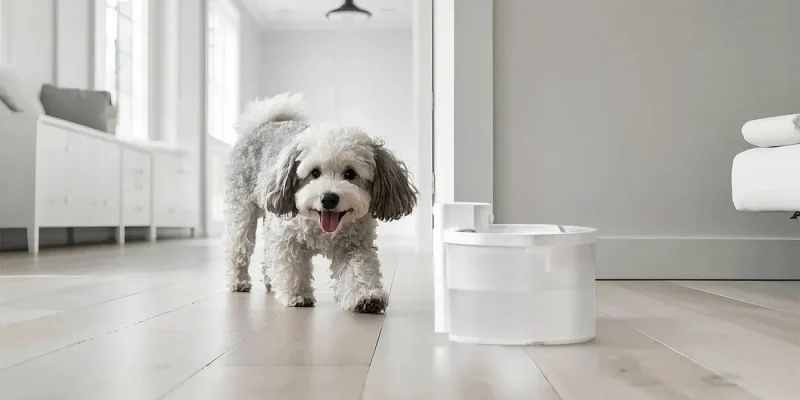
As winter settles in and your dog spends more time indoors, their comfort and health needs change. Single elevated dog bowls address multiple winter-specific challenges, from joint stiffness caused by cold weather to the increased mess that comes with wet, muddy conditions. This simple upgrade provides meaningful benefits throughout the season when your dog needs them most.
Winter creates a perfect storm of factors that make elevated feeding especially valuable. Understanding these seasonal benefits helps you provide better care during the most challenging months of the year.
Indoor Time Means More Focus on Comfort
When cold weather keeps your dog inside most of the day, their indoor environment becomes more important than ever. Every aspect of their daily routine, including mealtime, deserves attention to ensure maximum comfort during long indoor periods.
Single elevated dog bowls transform feeding from a potentially uncomfortable necessity into a more pleasant experience. Your dog can eat in a natural, relaxed position without the strain that floor-level feeding creates. This improved comfort matters most during winter when outdoor activity is limited and indoor experiences make up the majority of your dog’s day.
Prevents Winter Weight Gain Through Better Portion Control
Reduced winter activity often leads to weight gain in dogs. With shorter walks and less outdoor play, many dogs consume the same calories while burning fewer. The visibility that elevated feeders provide makes it easier to monitor food intake and adjust portions as needed for winter activity levels.
The elevated position also naturally encourages slower eating. When dogs eat at a comfortable height, they tend to take smaller bites and chew more thoroughly. This measured pace helps with satiety and can prevent overeating during months when calorie needs decrease.
Maintains Hygiene Despite Messy Conditions
Winter means constant battle with wet floors, muddy paw prints, and tracked-in snow. Floor-level bowls become part of this mess, sitting in puddles and collecting debris. Food and water quality suffer when bowls are constantly surrounded by moisture and dirt.
Single elevated dog bowls stay above the mess. Water remains cleaner, food doesn’t get contaminated by dirty paws, and the feeding area maintains better hygiene despite challenging winter conditions. This cleanliness benefit protects your dog’s health during a season when immune systems may already be under stress.
Easier Cleaning During High-Maintenance Season
Winter already demands extra cleaning effort for floors and entryways. The last thing you need is additional complication around feeding areas. Elevated bowls make cleanup simpler by providing easy access to floors underneath.
You can quickly wipe up spills or sweep around the feeding station without moving multiple items or getting on hands and knees. This efficiency matters during a season when you’re already doing extra cleaning to manage winter mess.
FAQs: Single Elevated Dog Bowls for Winter
1. Does this really help with winter stiffness?
Yes. The elevated position eliminates painful bending, making meals more comfortable when cold weather makes joints especially stiff and achy.
2. Will it help prevent winter weight gain?
It helps by making portion control easier and encouraging slower eating, both important for managing weight during less active winter months.
3. Is it more hygienic during winter?
Definitely. Elevated bowls stay cleaner because they’re up and away from the wet, dirty floors that winter weather creates.
4. How does it make winter cleaning easier?
The raised design allows quick floor cleaning underneath without moving the setup, valuable when doing extra cleaning due to winter weather.
5. Can it help senior dogs who struggle more in winter?
Absolutely. The elevated position is especially beneficial for older dogs whose joints become more painful and stiff during cold months.
6. What if my dog isn’t used to elevated feeding?
Most dogs adapt within a few meals. Place the elevated bowl in their usual feeding spot to ease the transition.




Comments