
 By
By 
Modern medicine continually explores new ways to support the body’s ability to heal, regenerate, and restore function after injury or disease. Among the most exciting advancements in this field is Stem Cell Therapy, a treatment that leverages the unique regenerative properties of stem cells to encourage the repair of damaged tissues and enhance overall health. Rather than simply addressing symptoms, this approach aims to stimulate the body’s own restorative mechanisms, offering a glimpse into the future of personalized, regenerative healthcare.
What Makes Stem Cell Therapy So Unique
At its core, Stem Cell Therapy taps into the extraordinary capabilities of stem cells — the body’s foundational or “master” cells. These cells are distinct because they can multiply and transform into many different specialized cell types, from bone and cartilage to muscle and nerve cells. This versatility means they play a central role in growth, development, and ongoing tissue maintenance. Unlike most other cells, stem cells possess both self-renewal and differentiation capabilities, allowing them to adapt to the body’s needs in response to injury or degeneration.
In typical applications of this therapy, stem cells — often sourced from bone marrow, adipose tissue, or umbilical cord blood — are carefully prepared and introduced into areas of need. Once administered, these cells can migrate to sites of damage, helping to reduce inflammation, encourage tissue healing, and support the natural repair processes that are essential for long-term wellness. This regenerative focus is what sets Stem Cell Therapy apart from many conventional treatments that primarily aim to manage symptoms without addressing underlying tissue dysfunction.
In addition to direct tissue regeneration, stem cells influence healing through complex biological signaling. They release a variety of growth factors and molecules that help modulate the immune response and create a supportive environment for the body’s own repair mechanisms. This dual action — replacing damaged cells and orchestrating a healthier internal environment — makes stem cell approaches a compelling area of study and clinical application.
Applications and Impact Across Health Challenges
One of the most promising aspects of Stem Cell Therapy is its broad potential across a range of health concerns. Research into stem cells has already led to established treatments, such as hematopoietic stem cell transplantation for blood disorders like leukemia and certain immune deficiencies. In these settings, stem cells help replenish healthy blood-forming cells and restore immune system balance in patients whose own cells have been compromised.
Beyond these applications, scientists are exploring how stem cells might benefit conditions that have traditionally been difficult to treat. For example, degenerative joint issues such as osteoarthritis, chronic tendon and ligament injuries, and even certain neurological conditions are subjects of active investigation. In many cases, stem cells show promise for reducing inflammation, improving mobility, and encouraging more functional, natural tissue repair compared with standard treatments alone.
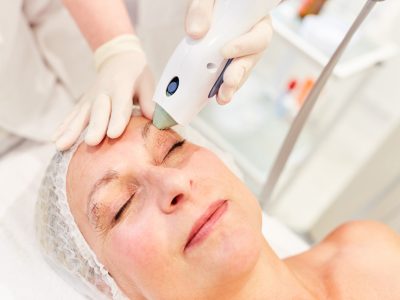
In aesthetic and wellness contexts, Stem Cell Therapy is also gaining traction for its potential to rejuvenate tissues and support age-related healing processes. Because the number and potency of native stem cells decline with age, therapies that introduce concentrated stem cells may help revive regenerative capacity in areas such as skin, connective tissue, or musculoskeletal structures. This has sparked interest in regenerative aesthetics and anti-aging strategies that seek to restore a more youthful tissue environment.
Moreover, the immunomodulatory properties of stem cells — their ability to influence immune activity and reduce harmful inflammation — are being studied for applications beyond structural repair. Conditions involving chronic inflammation may benefit from treatments that help calm overactive immune responses while supporting healthier cell function overall.
Safety, Expectations, and the Future of Regenerative Medicine
While Stem Cell Therapy holds substantial promise, it’s important to approach this rapidly evolving field with both excitement and discernment. Not all stem cell treatments are created equal, and robust scientific validation varies by specific application and clinical context. Regulatory oversight continues to evolve, and researchers emphasize that effective and safe therapies require careful sourcing, preparation, and delivery of stem cells under professional medical supervision.
In terms of patient experience, many individuals report gradual improvements that unfold over weeks or months as the body responds to the therapy. Unlike quick fixes offered by some conventional interventions, regenerative approaches often work by enhancing the body’s natural healing rhythm, with changes that develop progressively. This characteristic aligns with the broader goal of promoting lasting tissue health rather than temporary symptom relief.
Looking forward, ongoing research continues to expand the understanding of how Stem Cell Therapy might be applied to an even wider array of conditions, from metabolic diseases to complex tissue regeneration challenges. As scientists refine techniques and accumulate clinical evidence, regenerative medicine stands poised to transform how healthcare approaches healing and recovery.









Comments